FLY TO MOROCCO Choose your departure country
TRAVELLING FROM ANOTHER COUNTRY? Explore all Private Morocco Tours →


Discover Morocco through regional cuisine, traditional markets, tea, family hospitality and the everyday experiences found along the journey.
Moroccan food is shaped by geography, family traditions, seasonal ingredients and centuries of cultural exchange.
The experience changes from region to region. Marrakech, Fes, the Atlantic coast, the Atlas Mountains and southern Morocco each bring different ingredients, flavors and local habits to the table.
Food in Morocco is also closely connected with hospitality. Tea, bread, shared dishes and long meals often create moments that travelers remember as strongly as monuments or landscapes.
Understanding food, markets and local customs adds another layer to a private Morocco journey.
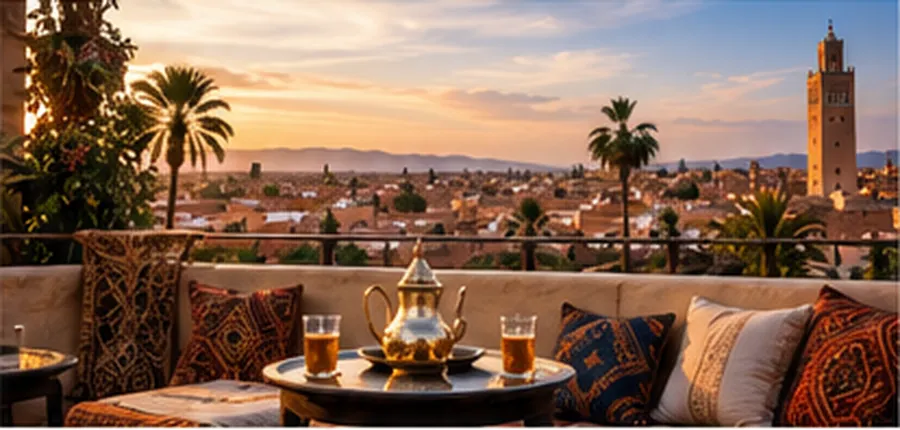
Some of Morocco’s strongest travel memories come from simple experiences: fresh bread, mint tea, a market visit or a meal shared slowly with local people.
Different regions use local produce, spices and cooking traditions, which means food can become part of the journey itself.
Marrakech mixes medina food stalls, family cooking, traditional dishes and a growing contemporary restaurant scene.
Fes is known for refined home cooking, traditional pastries, preserved ingredients and strong market culture.
Atlantic cities bring grilled fish, seafood markets and a different relationship with fresh coastal produce.
Mountain regions often rely on seasonal vegetables, bread, olive oil, tea and slow-cooked dishes rooted in village life.
Southern regions reflect oasis agriculture, desert ingredients and meals designed around long-distance travel and hospitality.
Bakeries, neighborhood markets, roadside cafés and family meals reveal a more everyday side of Moroccan food culture.
Markets are one of the best places to understand Moroccan food.
Spices, olives, herbs, preserved lemons, vegetables, dried fruits, dates, fresh bread and regional products reveal the ingredients behind everyday cooking.
Smaller neighborhood markets can sometimes feel more authentic than the busiest tourist souks because they remain closely connected to local daily life.
Mint tea is one of the most recognizable parts of Moroccan hospitality and is served in homes, riads, shops and cafés.
The act of preparing and sharing tea often creates a pause in the day and a chance to talk.
Travelers quickly discover that accepting tea can be as much about connection as refreshment.
Tagines vary widely depending on region, season and family tradition, from meat and vegetable combinations to sweeter dishes.
Couscous is traditionally associated with family meals and specific days and occasions rather than simply restaurant dining.
Tanjia is closely associated with Marrakech and is slow-cooked in a distinctive earthen vessel.
Pastilla reflects the complex balance of flavors found in Moroccan celebratory and urban cooking.
Fresh bread remains central to everyday eating and can vary considerably from one household or region to another.
Moroccan sweets often feature almonds, honey, sesame and spices and are closely tied to tea and hospitality.
Hospitality is one of the strongest parts of Moroccan social culture.
Guests may be offered tea, bread, dates or a full meal depending on the setting and relationship.
These moments can feel simple, but they often reveal more about Moroccan culture than a formal sightseeing visit.
Respect, patience and appreciation go a long way when travelers are invited into a local setting.
Local culture often appears in small moments rather than major monuments.
Communal and local bakeries remain part of everyday life in many neighborhoods and villages.
A simple café can offer a better sense of daily life than another hour spent rushing between landmarks.
Weekly markets in smaller towns can bring farmers, traders and families together from surrounding communities.
Pottery, weaving, leatherwork and metalwork are not only souvenirs; many traditions remain connected to daily Moroccan life.
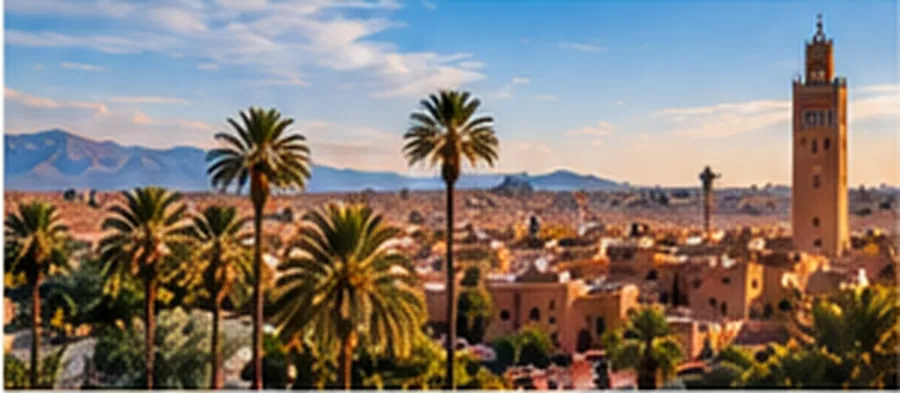
One of the pleasures of traveling across Morocco is seeing how food changes as the landscape changes.
A meal in Marrakech should not feel exactly like a meal in Fes, the High Atlas or the Sahara.
Building regional food experiences into a private journey creates a stronger connection between destination, culture and memory.
A private Morocco journey can include much more than the main sightseeing stops.
Mythic Morocco Tours can adapt routes around food interests, local markets, traditional meals, cultural encounters and regional experiences while keeping the journey personal.
Morocco is widely known for tagines, couscous, pastilla, breads, pastries, mint tea and a wide range of regional dishes.
Moroccan food is often highly aromatic rather than extremely hot. Spices are used for depth and balance rather than only heat.
Yes. Markets are an excellent way to understand local ingredients, seasonal produce and everyday food culture.
Mint tea is widely associated with Moroccan hospitality and is commonly served in homes, shops, hotels, riads and cafés.
Yes. Market visits, local meals, cooking experiences and regional food stops can be incorporated into a tailor-made itinerary.
Create a private journey built around regional food, local culture, hospitality and meaningful experiences along the route.